Fishing Dale Hollow Lake
Small Mouth Bass and Crappie Paradise
Dale Hollow Lake: A Bucket-List Fishery for Smallmouth and Crappie
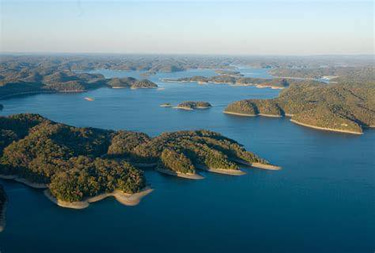
Straddling the Tennessee–Kentucky line, Dale Hollow Lake is a crystal-clear, 27,700-acre reservoir with roughly 620 miles of shoreline—and a reputation that looms even larger. Its gin-clear water, rugged coves, and abundant structure make it one of the most rewarding fisheries in the Southeast, drawing anglers year-round for both world-class smallmouth and surprisingly strong crappie action. 
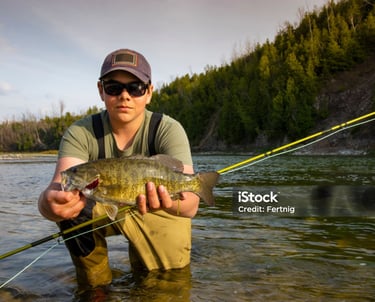
Dale Hollow’s legend begins with smallmouth bass. On July 9, 1955, David L. Hayes landed the all-tackle world-record smallmouth here, a 11-pound, 15-ounce bronzeback—a mark that still stands and continues to inspire trophy hunters to this day. The Tennessee Wildlife Resources Agency highlights the catch as part of the lake’s enduring legacy, and the International Game Fish Association confirms the record.  The U.S. Army Corps of Engineers, which manages the lake, likewise notes Dale Hollow’s purity and prestige as a bass destination. 
What surprises many visiting anglers is how good the crappie fishing can be, especially outside peak summer boat-traffic months. Veteran crappie experts point to the lake’s ultra-clear water as both challenge and advantage: stealth tactics, slip-floats, long casts, light line, and precise boat positioning over brush, timber, and breaks often turn lookers into biters. Summer and early fall require finesse in that clear water, while late fall through winter can be lights-out as fish consolidate and feed deep.  In fact, experienced anglers target Dale Hollow in the colder months precisely because slab crappie school up and pressure drops; December can be particularly productive. 
Species diversity adds to the appeal. Beyond trophy smallmouth and crappie, Dale Hollow supports largemouth and spotted bass, walleye, bluegill, and even stocked brown trout, giving multi-species anglers ample options when conditions change.  Tourism and local lake organizations love to remind visitors that Dale Hollow has produced many of the heaviest smallmouth ever recorded, a testament to its forage, habitat, and management. 
Planning a trip is straightforward. With numerous marinas, guide services, and houseboat-friendly facilities, you can tailor an outing from quick dawn patrols to extended family vacations. Just remember: because the reservoir crosses state lines, licensing rules apply—anglers need the appropriate Tennessee and/or Kentucky fishing licenses depending on where they fish.  If you’re new to the lake, a local guide can shorten the learning curve, helping you decipher seasonal movements, nighttime smallmouth patterns, and the subtle crappie program in clear water. 
When should you go? Winter through early spring is prime for heavyweight smallmouth and deep-water crappie; post-spawn transitions into classic point and bluff patterns; and summer favors low-light windows or after-dark smallmouth sessions while crappie reward stealthy, suspended presentations. Local and seasonal pages frequently highlight winter as a favorite for big fish as they stage and feed. 
Whether you’re chasing a bronzeback of a lifetime or a cooler of fat slab crappie, Dale Hollow delivers a rare mix of beauty, challenge, and payoff. Bring your finesse game, respect the clarity, and prepare for some of the best bass and crappie fishing in the region—on a lake whose legend is still being written with every cast.